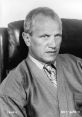
Steven Berkoff TTS Computer AI Voice
Type your text to hear it in the voice of Steven Berkoff. Steven Berkoff's world is a cacophony of auditory stimuli that encapsulate the raw power and visceral engagement of his theatrical and cinematic prowess. As an actor, playwright, and director, Berkoff's works often echo with the clamorous intensity of human emotions and societal critique. The auditory landscape in his pieces is punctuated by sharp, percussive dialogues that resonate, leaving an indelible imprint on the audience's psyche. His style’s distinctive staccato rhythm is unmistakable, often laced with an undercurrent of discordant harmonies that challenge complacency and provoke introspection.
In his performances, Berkoff has a tendency to infuse his dialogue with a sonorous quality that can oscillate between the lyrical and the guttural. This dichotomy is particularly evident in his film work, which includes noteworthy roles in "A Clockwork Orange" (1971), where his voice plays a scathing commentary on dystopian brutality. As the villain General Orlov in "Octopussy" (1983), Berkoff’s vocal delivery is both mellifluous and menacing, turning spoken words into a symphony of suspense and malice that lingers long after the scene concludes. These films, along with "Rambo: First Blood Part II" (1985), where his antagonist role is soaked in a sonorous aggression, showcase the varied auditory textures he employs to enrich his characters.
The theatrical realm further amplifies Berkoff's auditory signatures. In pieces like "Decadence" (1981) and "East" (1975), the dialogue is wielded like a weapon — sharp, piercing, and relentless — creating a relentless auditory barrage that captures the frenetic energy of urban life. His use of language transcends mere dialogue, morphing into a kind of poetic percussion that underscores the thematic elements of social decay and moral ambiguity. The sounds found in his plays are a testament to his ability to manipulate silence and noise alike, turning pauses into powerful dramatic tools.
In the realm of television, Berkoff's contribution includes appearances in series such as "The Borgias" (1981), where his vocal intonations add to the show's opulent and treacherous ambiance, as well as in "War and Remembrance" (1988). Each series benefits from Berkoff's ability to harness the power of sound, his characters leaving a resonant echo that transcends the visual medium. His tenure in these series exemplifies his acumen for enveloping the audience in a sonorous embrace, crafting an atmosphere that is as much felt as heard.
Ultimately, the auditory expressions that accompany Steven Berkoff's illustrious career are as diverse as they are impactful. Whether in film, theater, or television, the sounds related to Berkoff serve as a visceral conduit through which stories are not just told, but experienced — a testament to the compelling force of his singular artistry.
In his performances, Berkoff has a tendency to infuse his dialogue with a sonorous quality that can oscillate between the lyrical and the guttural. This dichotomy is particularly evident in his film work, which includes noteworthy roles in "A Clockwork Orange" (1971), where his voice plays a scathing commentary on dystopian brutality. As the villain General Orlov in "Octopussy" (1983), Berkoff’s vocal delivery is both mellifluous and menacing, turning spoken words into a symphony of suspense and malice that lingers long after the scene concludes. These films, along with "Rambo: First Blood Part II" (1985), where his antagonist role is soaked in a sonorous aggression, showcase the varied auditory textures he employs to enrich his characters.
The theatrical realm further amplifies Berkoff's auditory signatures. In pieces like "Decadence" (1981) and "East" (1975), the dialogue is wielded like a weapon — sharp, piercing, and relentless — creating a relentless auditory barrage that captures the frenetic energy of urban life. His use of language transcends mere dialogue, morphing into a kind of poetic percussion that underscores the thematic elements of social decay and moral ambiguity. The sounds found in his plays are a testament to his ability to manipulate silence and noise alike, turning pauses into powerful dramatic tools.
In the realm of television, Berkoff's contribution includes appearances in series such as "The Borgias" (1981), where his vocal intonations add to the show's opulent and treacherous ambiance, as well as in "War and Remembrance" (1988). Each series benefits from Berkoff's ability to harness the power of sound, his characters leaving a resonant echo that transcends the visual medium. His tenure in these series exemplifies his acumen for enveloping the audience in a sonorous embrace, crafting an atmosphere that is as much felt as heard.
Ultimately, the auditory expressions that accompany Steven Berkoff's illustrious career are as diverse as they are impactful. Whether in film, theater, or television, the sounds related to Berkoff serve as a visceral conduit through which stories are not just told, but experienced — a testament to the compelling force of his singular artistry.
Make this TTS voice say anything - it will be added to this board. Responsible AI
By using this, you agree to our Terms of Service. Non-commercial, fun only. Why voice artists are better
Characters Used
{{ ttsPhraseText ? ttsPhraseText.length : 0 }} / {{ ttsMaxLength }}
Let your words be a force for good.
High demand or temporary issue
with this voice - Please be patient, try other voices, or check back later